

Should a Home Inspector Run the Heat During Summer?
Short answer: Usually, no—most home inspectors should avoid operating a conventional heating system during hot summer weather if doing so could potentially damage the equipment or create unsafe operating conditions. However, the answer depends heavily on: The type of…
Can Home Inspectors Be Sued for Defects?
Short answer: Yes—home inspectors can absolutely be sued over defects in a home, especially if a client believes the inspector missed a significant issue or failed to report it properly. However, being sued does not automatically mean the inspector was negligent or…

Should Home Inspectors Call Out Polybutylene Plumbing?
Short answer: Yes—home inspectors should generally identify and report polybutylene plumbing when it is present in a home. Polybutylene piping has a long history of premature failure concerns, insurance complications, and costly leaks, which is why it is commonly…
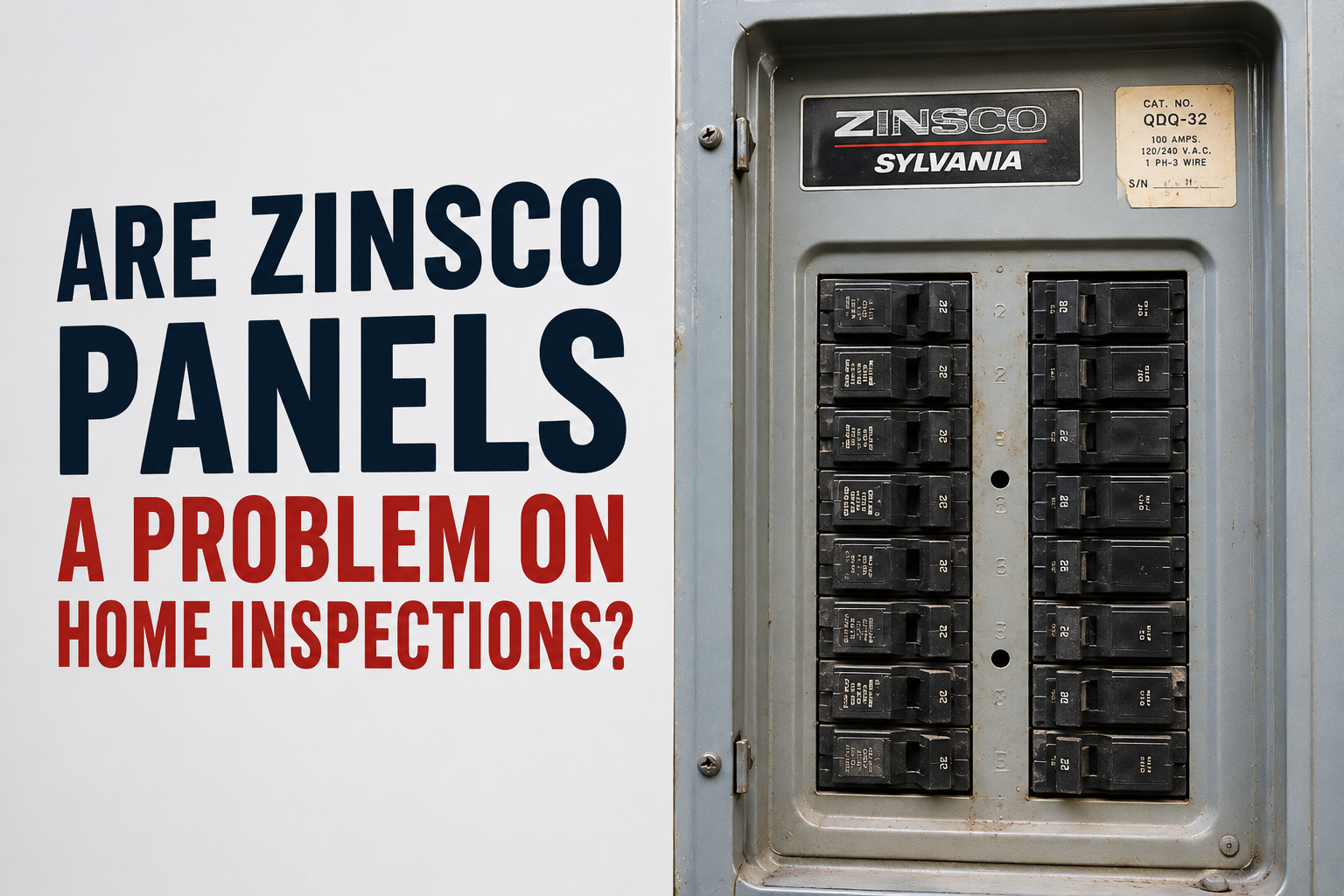
Are Zinsco Panels a Problem on Home Inspections?
Short answer: Yes—Zinsco electrical panels are widely considered a concern during home inspections because they have a documented history of breaker and bus bar failures that can create significant electrical safety risks. Most home inspectors will flag Zinsco panels…

Why Do Some Real Estate Agents Avoid Certain Home Inspectors?
Short answer: Real estate agents avoid certain home inspectors for many different reasons—and not all of them are unethical. Sometimes it comes down to communication style, report quality, scheduling issues, personality conflicts, or business practices. Other times,…

Should Home Inspectors Always Call Out a Federal Pacific Electric Panel?
Short answer: In most cases, yes—home inspectors should document and flag Federal Pacific Electric (FPE) Stab-Lok panels because they have a long history of documented safety concerns involving breakers that may fail to trip under overload conditions. However,…
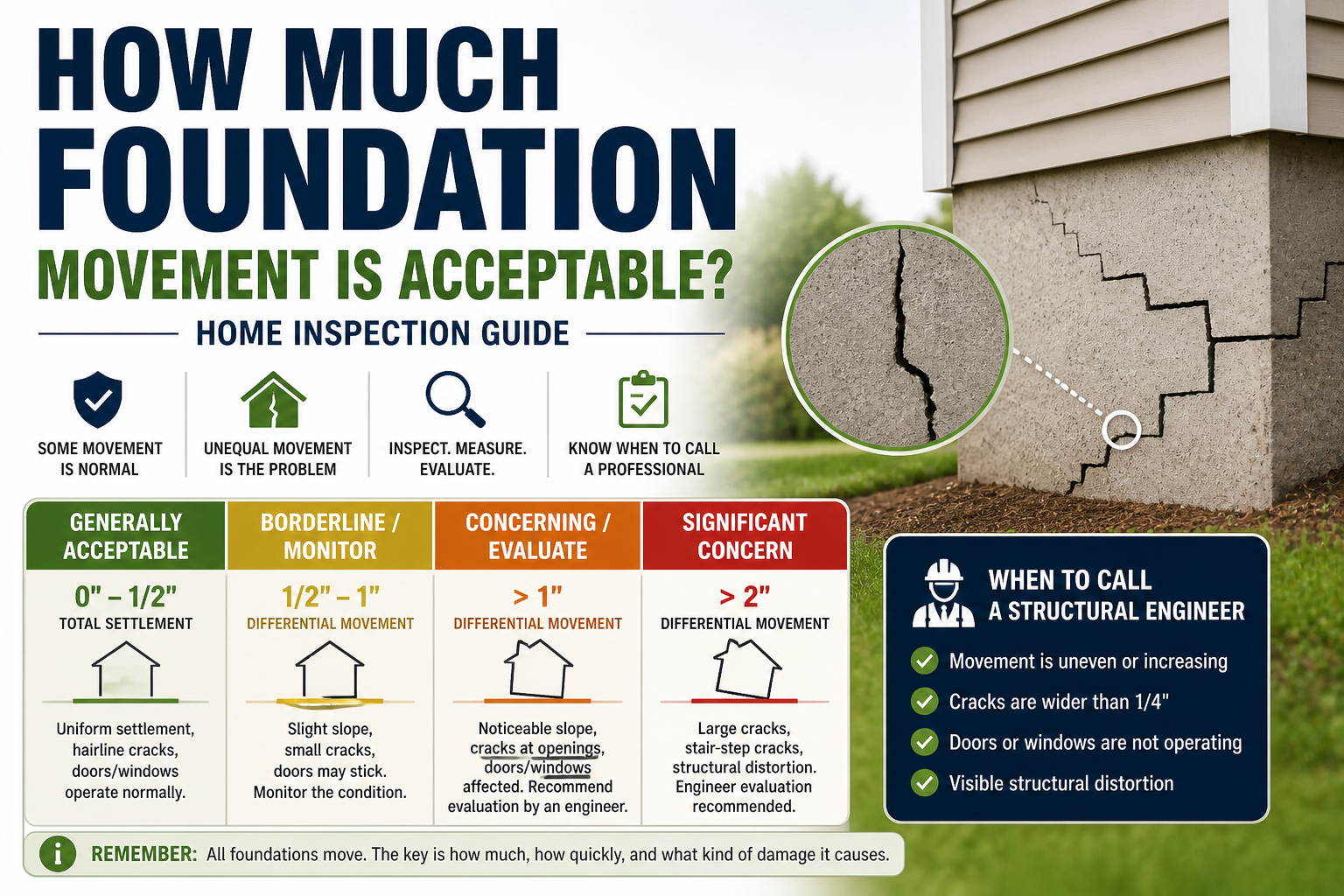
How much foundation movement is acceptable? Home Inspection Guide
Short answer: Some foundation movement is normal and expected, but generally: ¼″–½″ total settlement is often considered typical ½″–1″ over 20 feet may still be acceptable >1″ differential movement often becomes a concern >2″ movement can indicate potential…

How Long Does It Take to Become a Home Inspector?
Short answer: Most people can become a home inspector in 2 weeks to 6 months, depending on their state requirements, training pace, and how quickly they build their business. In non-licensed states, you can technically start in a few weeks, while licensed states may…
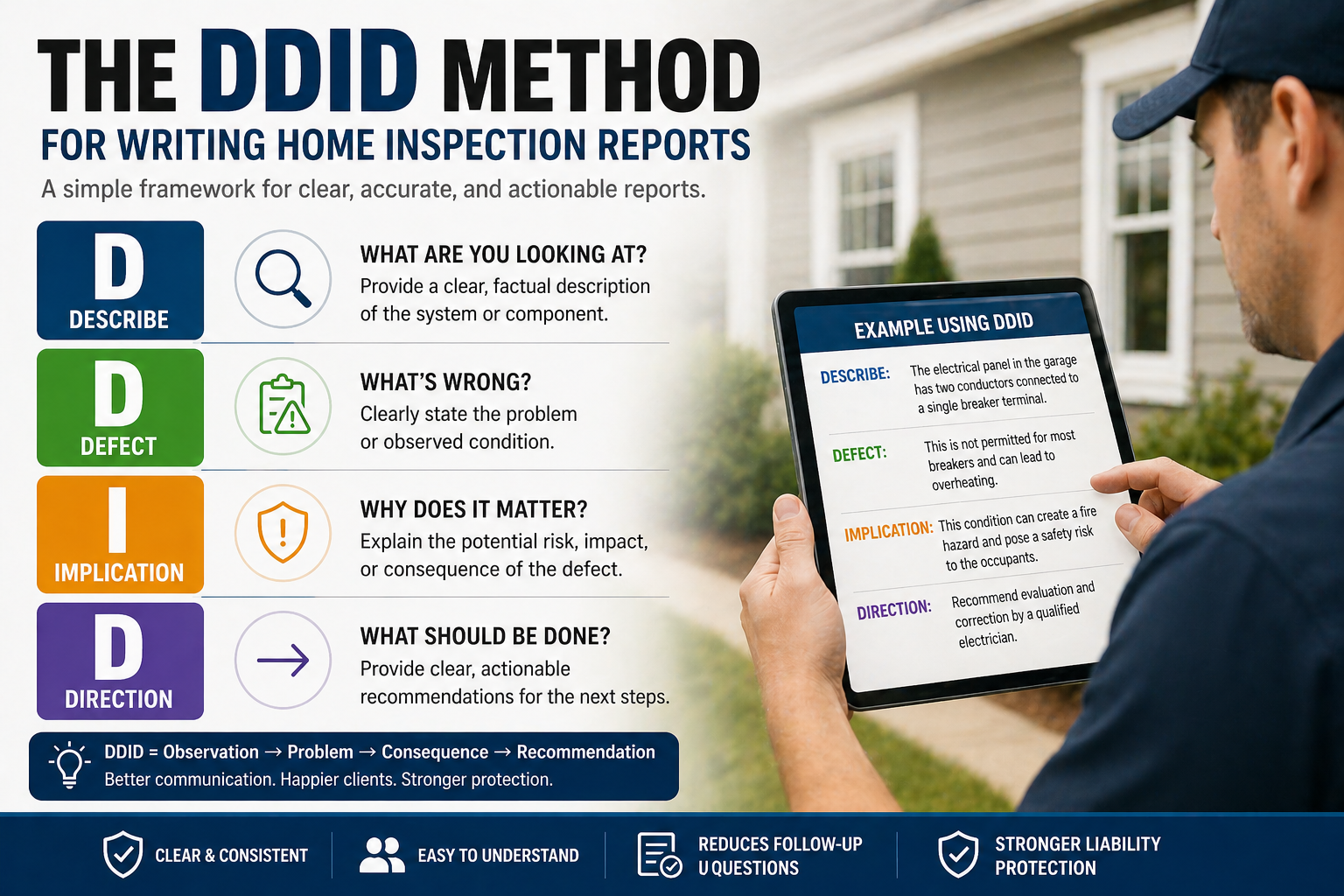
The DDID Method for Writing a Home Inspection Report
Short answer: The DDID method stands for Describe, Defect, Implication, Direction. It’s a structured way to write inspection comments so they are clear, accurate, actionable, and defensible. When used correctly, DDID improves communication, reduces client confusion,…

LiDAR Scanning and Home Inspections: Is It Worth It?
Short answer: LiDAR scanning can be useful in home inspections—but for most inspectors, it’s not yet a core inspection tool. It’s best used as a value-add service (floor plans, measurements, documentation) rather than a replacement for traditional inspection methods….

How Many Inspections Does a Home Inspector Do Per Week?
Short answer: Most home inspectors complete 5 to 10 inspections per week, depending on experience, market demand, and business structure. New inspectors may start with 1–3 per week, while high-volume inspectors or multi-inspector companies can exceed 15–25 per week….

Is the National Home Inspector Exam Hard?
Short answer: Yes—the National Home Inspector Exam (NHIE) is considered challenging, especially if you’re unprepared. It’s not designed to test memorization alone—it evaluates whether you can apply real-world inspection knowledge across multiple systems. However, with…